A. Caring for HIV Positive People (CHIVPP)
In the month of May, Friends Women's Association (FWA) and its Ntaseka Clinic provided medical follow-up and home visits for our HIV positive people. The program continues to ensure that all patients receive consistent care, medication adherence support, and nutritional guidance to maintain their health and well-being.
Key Achievement
330 HIV+ patients under active care and treatment at Ntaseka Clinic, with ongoing medical follow-up and home visits to ensure medication adherence and well-being.
B. Maternity Ward Building
Ntaseka Clinic's Maternity Ward supplies baby delivery services and care needed for pregnant women, new mothers and newborn babies. In the month of May, two female babies were born at Ntaseka clinic, bringing new hope and joy to families in the community.
Although the Clinic's maternity ward still needs some medical equipment, hospitalization services are functional. The maternity ward remains a vital resource for women in the Kamenge community and beyond.
C. Improving Women's Reproductive Health (IWRH)
FWA staff and FWA community health workers have continued to educate both men and women on the importance of family planning.
On June 6, 2026, there was one educational session on sexual and reproductive health for young boys at Ntaseka clinic. The session focused on empowering young men with knowledge about reproductive health, family planning options, and the importance of making informed decisions.
Impact: 525 people received contraceptives from FWA's nurse in May, including 310 old cases and 215 new ones.
D. Rape Survivors' Support (RSS)
The Rape Survivors' Support (RSS) program of the Friends Women's Association currently has established 79 Self-Help Groups across communities.
1. Street Business School (SBS)
During the month of May, SBS training sessions focused on Module 8: Money Management. Participants learned the importance of managing their income and expenses, budgeting effectively, and saving regularly for future needs and business growth.
They also explored strategies for preparing for unexpected expenses and making sound financial decisions. Overall, the module strengthened participants' financial management skills, helping them build a stronger foundation for sustainable businesses and improved household financial stability.
Saving
Saving in a disciplined way through different methods such as savings boxes, savings accounts, and long-term investments.
Planning & Budgeting
Planning and budgeting to ensure money is available for both necessities and future goals while avoiding impulse spending.
Preparing for Unexpected Costs
Preparing for unexpected business costs such as increased rent, higher supply costs, and wastage.
Tracking Income & Expenses
Tracking income and expenses to make informed financial decisions and maintain a healthy business.
2. Trauma Healing Workshop
On May 25-27, there was a three-day trauma healing workshop in Maramvya for 20 GBV survivors. Facilitators were Grace Horanimana and Gisele Misago.
"I grew up in a financially stable family, which meant that I did not have many opportunities to learn how to earn a living or become financially independent. As a young woman, I married a man who initially showed me love and care. However, everything changed after I became pregnant."
"Whenever I asked him for money to buy food or medicine, he would tell me that I was not the only woman in his life. When I was six months pregnant, he began to abuse me physically, and spent very little time at home. One day, he returned back home with another woman and told me that she had come to replace me because I was useless and only asked him for money."
"From that moment, the abuse intensified. He treated me with even greater cruelty and neglect. When I gave birth, he did not visit me in the hospital. When my family asked him to come and see me and the baby, he responded with insults and even denied that the child was his."
"After leaving the hospital, I could no longer endure the hunger, rejection, and suffering, so I returned to my parents' home. Three years later, I remarried, hoping for a better future. Unfortunately, my second marriage also became abusive. For many years, I carried deep emotional wounds from rejection, violence, abandonment, and hardship. I felt broken, hopeless, and burdened by painful memories."
"Participating in the Trauma Healing Workshop marked a turning point in my life. Through the workshop, I gained a better understanding of how trauma had affected me and learned healthy ways to process my pain. I discovered that my experiences do not define my worth and that healing is possible."
- A GBV survivor and participant in the trauma healing workshop
E. Income Generating Activity
Under the support of the Brian Charity Foundation from UK, FWA has supported two small projects for GBV survivors.
The Mill Project
This project is implemented in Muyange in Bujumbura province. The choice of the area was that there was only one mill which is not enough in a community where they have so much maize and cassava. The mill will serve the local community by processing their agricultural produce, reducing travel distances and costs for local farmers.
The Sewing Machine Project
A group of GBV survivors including five young girls, one single mother, one person living with a handicap, and one young woman who has been an orphan. The president of the group is Niyonsenga Emelyne and the vice president is Nganyirimana Marie Gislaine.
This group was supported with eight sewing machines. They are working in one room from the FWA Women's Socio-economic Empowerment Center. FWA has now identified two more gender-based violence survivors to support with sewing machines.
"My name is L. I am a single mother. I had a fiance, and the guy made me pregnant. Then, he stopped loving me. Now I have one child who is going now to school. I have been struggling how to support my child with school material. I have learned how to sew but the main problem is that I didn't get a sewing machine because of financial means limitations. Now, I'm very thankful. I hope this machine will improve my life conditions."
- L., a single mother and sewing machine project beneficiary
F. Women's Socio-Economic Empowerment Center
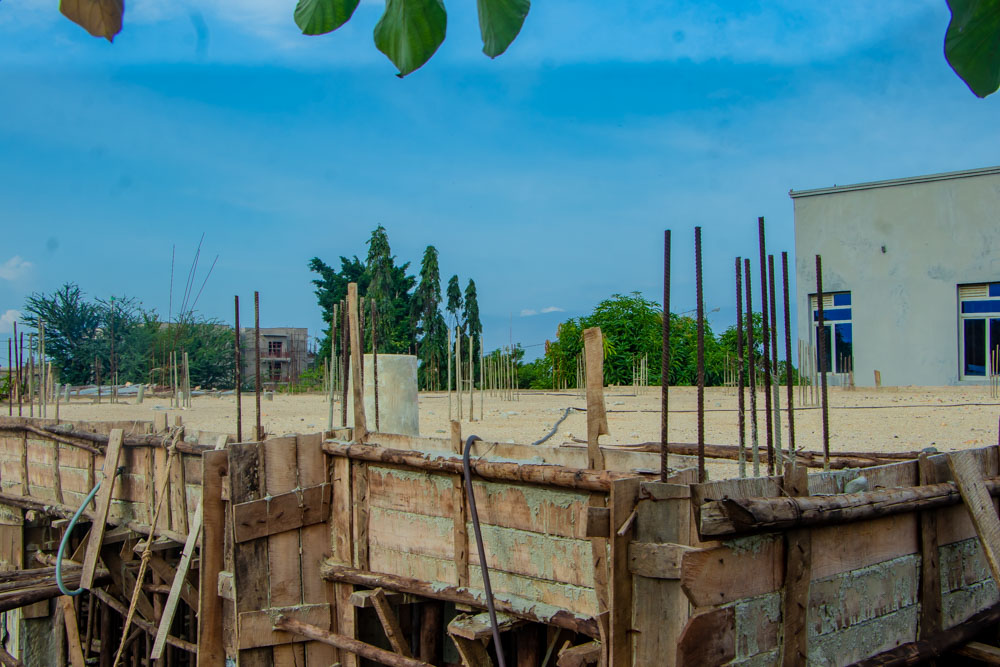
The FWA has continued the construction of the Women's Socio Economic Empowerment Center (WSEEC) by manufacturing metal doors and windows for the building. The aim of this project is to avail training rooms and a temporary safe shelter for gender-based violence survivors at the FWA headquarters.
G. Action on Gender-Based Violence (AGBV)
Under the support of Quaker Service Norway, there was a three-day AVP (Alternatives to Violence) basic workshop for 20 GBV survivors' accompanists and SHGs' facilitators at Mugatutu center in Gitega province.
The workshop equipped participants with conflict resolution skills, non-violent communication techniques, and tools to better support GBV survivors in their communities.
HMEDICAL TEAM
H.1. Consultations
H.2. Laboratory
In the month of May, apart from HIV voluntary testing, there were a total of 317 tests.
| Test | Completed | Positive | Negative |
|---|---|---|---|
| Malaria Test (G.E.) | 61 | 19 | 42 |
| Quick Malaria Test | 26 | 5 | 21 |
| Urine Test (ECBU) | 17 | 0 | 17 |
| Stool Test | 8 | 0 | 8 |
| Pregnancy Test | 43 | 8 | 35 |
| Typhoid Fever (Sero-widal) | 71 | 35 | 36 |
| Diabetes (Glycémie) | 13 | 3 | 10 |
| Syphilis (RPR VDRL) | 7 | 2 | 5 |
| Complete Blood Count | 32 | 6 | 26 |
| Hepatitis B | 10 | 0 | 10 |
| Hepatitis C | 10 | 0 | 10 |
| Viral Load | 19 | 0 | 19 |
| Total | 317 | 78 | 239 |
H.3. Family Planning
During May, 525 people received contraceptives from FWA's nurse, including 310 old cases and 215 new ones.
H.4. Prenatal Consultation (PNC)
In May, 50 women came for prenatal consultation (PNC), including 3 for PNC 1, 12 for PNC 2, 19 for PNC 3 and 16 for PNC 4. 48 pregnant women came for the ultrasound test.
H.5. Anti-Retroviral Site
H.6. Pharmacy
Regarding medications, FWA was able to purchase the minimum needed medicine to ensure continued care for all patients.
H.7. Psychosocial Team
In the month of May, 19 people were tested for HIV and received pre and post HIV test counselling. One woman was detected HIV positive.