Introduction: Addressing Critical Healthcare Gaps
Initially facing significant challenges—particularly the lack of critical medical equipment like CD4 and Complete Blood Count (CBC) machines— FWA had to form partnerships with other NGOs for laboratory services. Each CBC test cost $3.19, plus transportation risks via moto-taxis, creating barriers to effective treatment. The CHIVPP program was designed to address these systemic challenges through a holistic approach.
Key Achievements: Transformative Results in One Year
1. Medical Infrastructure Strengthened
The acquisition of a CBC machine in July 2015 revolutionized patient care by:
- Eliminating risky blood sample transportation via moto-taxis
- Reducing testing costs by conducting CBC tests in-house
- Eliminating delays caused by reagent shortages at partner labs
- Enabling same-day test results for better treatment decisions
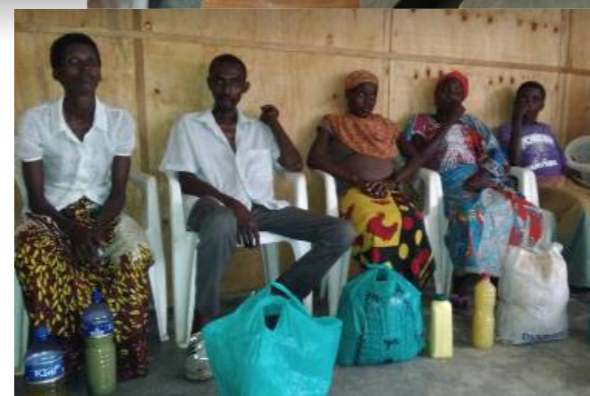
The CBC machine acquisition eliminated transportation risks and reduced testing costs
2. Comprehensive Support System Established
Beyond medical equipment, FWA built a robust support network:
HIV Positive Accompanist
DELACHANCE Félicité, an HIV-positive woman, serves as a crucial link between FWA and beneficiaries, conducting home visits and monitoring progress.
Insurance Coverage
30 insurance cards provided for beneficiaries' hospitalization needs, ensuring access to emergency care.
3. Psycho-Social Support Through Discussion Groups
Since March 2016, structured sharing sessions have created safe spaces for HIV-positive individuals. Participants evolved from initial fear and isolation to openly sharing experiences and working collaboratively in groups.
Discussion Group Curriculum:
4. Nutritional Support Program
Recognizing that ARV treatment can cause weakness when patients lack adequate nutrition, FWA provides food kits (2kg rice + 1.5kg beans) every two months. While this support is appreciated, beneficiaries have noted the need for increased quantities to sufficiently support their health needs.
Transformative Stories: Personal Testimonies
Anne Marie's Journey
Weight recovery: 58kg → 79kg
"My weight dropped from 82kg to 58kg. When I tested positive, I thought I'd die before Monday. After starting ARVs at NTASEKA, I regained health and now sell oil at Kamenge market to support my five children."
Relationship Healing
Couple supporting each other's treatment
"When I discovered my status, I blamed my husband. Through counseling, we both got tested and now support each other's treatment."
Behavioral Transformation
From alcohol dependency to treatment adherence
"Before sharing sessions, I drank heavily and skipped ARVs. Now I understand treatment adherence and have gained 15kg."
Recommendations from Beneficiaries
Based on direct feedback from program participants, the following priorities have been identified:
- Expand Discussion Groups: More frequent sharing sessions to strengthen community support
- Increase Nutritional Support: Current rations (2kg rice + 1.5kg beans every two months) are insufficient
- Economic Empowerment: Small loans for income-generating activities to promote self-sufficiency
- Enhanced Maternal Services: Better prevention of mother-to-child transmission through equipped prenatal services
- Solidarity Fund: Monthly contributions (BIF 1000) for mutual support during emergencies
Future Directions and Needs
Priority Areas for Support
Partnering with "Faith in Action" to establish savings groups (currently funded for only 40 people at $1,300)
Need for a qualified psychologist ($200/month salary)
Enhanced prevention of mother-to-child transmission services
Long-term program stability and expansion
Conclusion: Celebrating Progress, Acknowledging Needs
The CHIVPP program demonstrates remarkable progress in just one year, transitioning from basic ARV dispensing to comprehensive, holistic care. The integration of medical treatment, nutritional support, psychological counseling, and community building has created a sustainable model for HIV/AIDS care in Burundi.
While celebrating these achievements, FWA recognizes ongoing challenges: inadequate nutritional support, limited economic empowerment opportunities, and the need for specialized staff. Continued support from partners like Vancouver Island Monthly Meeting remains crucial for expanding this life-changing work and reaching more vulnerable women and families affected by HIV/AIDS in Burundi.
"The resilience shown by beneficiaries—from isolation to community engagement, from despair to economic activity— stands as powerful testimony to the program's effectiveness and the enduring spirit of Burundian women."